Code for the Community pairs engineering interns with nonprofits facing real technical challenges. Over 8–12 weeks, teams scope, build, and ship production software, not demos, not exercises. Real products.
Interns placed at
CFTC runs software cohorts in two modes, each producing real, shipped products that serve real communities.
A nonprofit brings a real problem. CFTC scopes it, assembles a team of engineers, designers, and a PM, and builds a solution over an 8–12 week cohort. The nonprofit gets a production app. The interns get experience that materially changes their job search.
CFTC identifies a systemic issue independently. We bring in community stakeholders, researchers, and domain experts early, then build tools for direct community impact, not tied to a single partner.
Propose a Problem arrow_forwardEvery cohort ships to production. No prototypes, no slideshows, apps that people use every day.
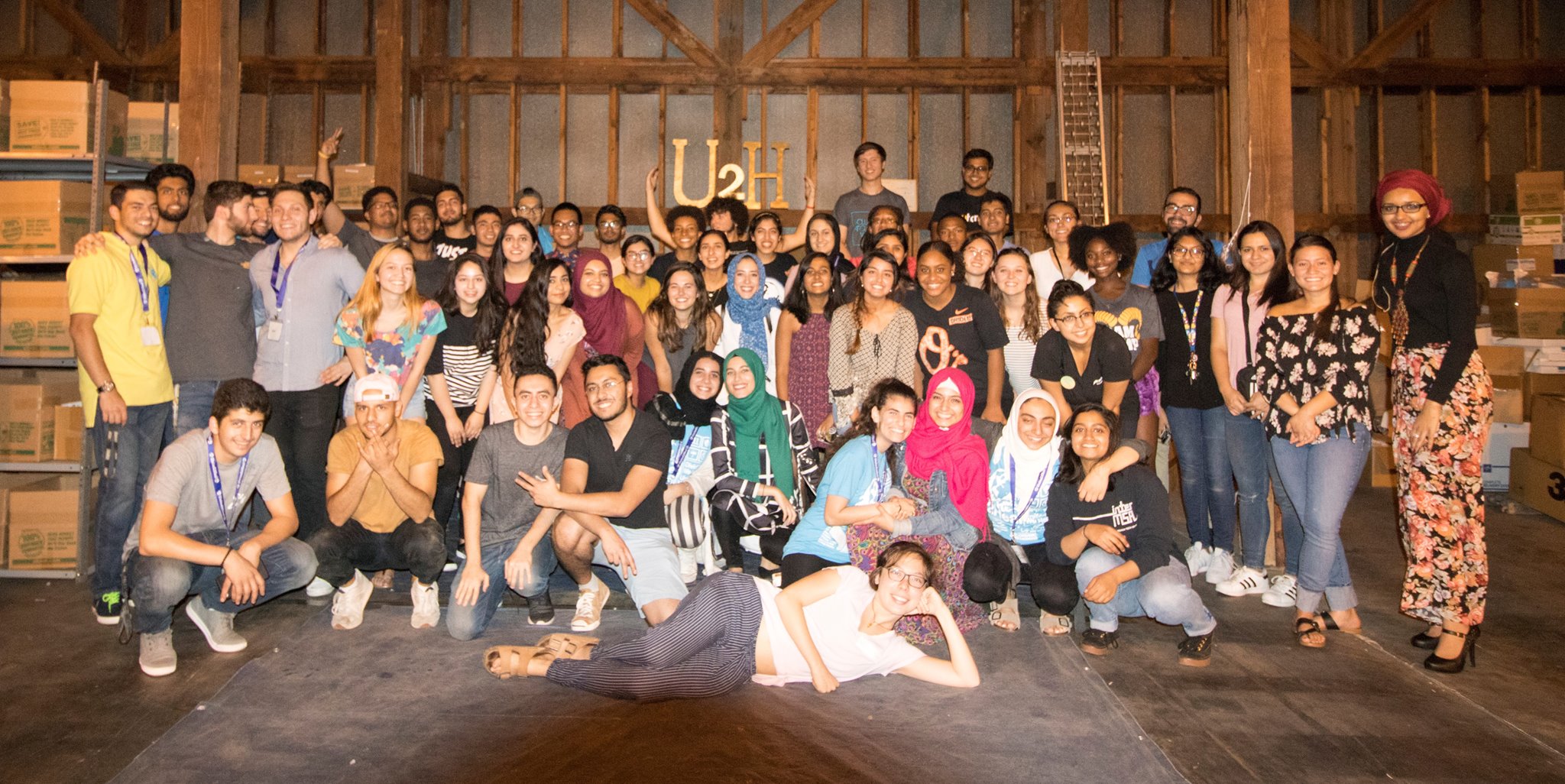
Streamlines the tracking, sorting, and management of donated medical supplies. Volunteers scan and categorize items before they ship globally. Over half a million items processed through the app since its launch in 2018, and still actively in use.
Smart Inventory Insights Assistant, natural language queries over inventory data
Built for Refuge of Mt. Olive in San Francisco, ROMO connects unhoused individuals to food, shelter, medical care, and local services. A 7-person intern team shipped to iOS and Android in a single summer cohort. One of CFTC's first major outside-partner projects.
AI Resource Navigator, plain language search, deterministic results
Built for the Middle East Children's Alliance, this app powers engagement for supporters, donors, and volunteers. An 8-person team shipped an Events Hub, Stories feed, Fundraiser Toolkit, and ShopPalestine integration, all in one summer cohort.
Ask MECA chatbot, donor Q&A via RAG pipeline, grounded in curated content
Our Winter 2026 cohort added AI layers to all three existing apps, establishing CFTC as a credible AI-for-good organization. Grounded, deterministic, no hallucinations.
See the announcement post
Users describe what they need in plain language. The system parses intent and returns results from ROMO's verified resource database. Deterministic routing, no hallucinations, no confabulation. Built for stressful, high-stakes moments.
Staff ask natural language questions about inventory. The AI surfaces summaries and operational insights directly from United2Heal's database.
Donors and supporters ask where funds go and how MECA operates. RAG pipeline over curated MECA content, transparent, source-grounded answers.
Not just app delivery, building AI capabilities that serve real human needs, with interns trained on the actual frontier of responsible, grounded AI.
Whether you build, design, advise, or fund, there's a place for you here.
Engineers, designers, and PMs who want to build something real. Ship a production app, get mentorship from industry engineers, and walk away with a portfolio entry that changes your job search. 24 of our alumni are now at top companies.
Does your organization have a technical problem software could solve? CFTC scopes, builds, and ships it, at no cost. You get a production app. We get a real project that grows the next generation of engineers.
We have more intern applicants than mentors. If you're an engineer, designer, or PM at a top company, a few hours a week from you can meaningfully change a junior's career trajectory.
Become a Mentor arrow_forwardOur top priority is paid internships, so top candidates aren't forced to turn us down for financial reasons. Corporate sponsors directly enable the next generation of technologists doing social good.
Support CFTC arrow_forward